Launching Go with the Flow to Build Community Flood Resilience
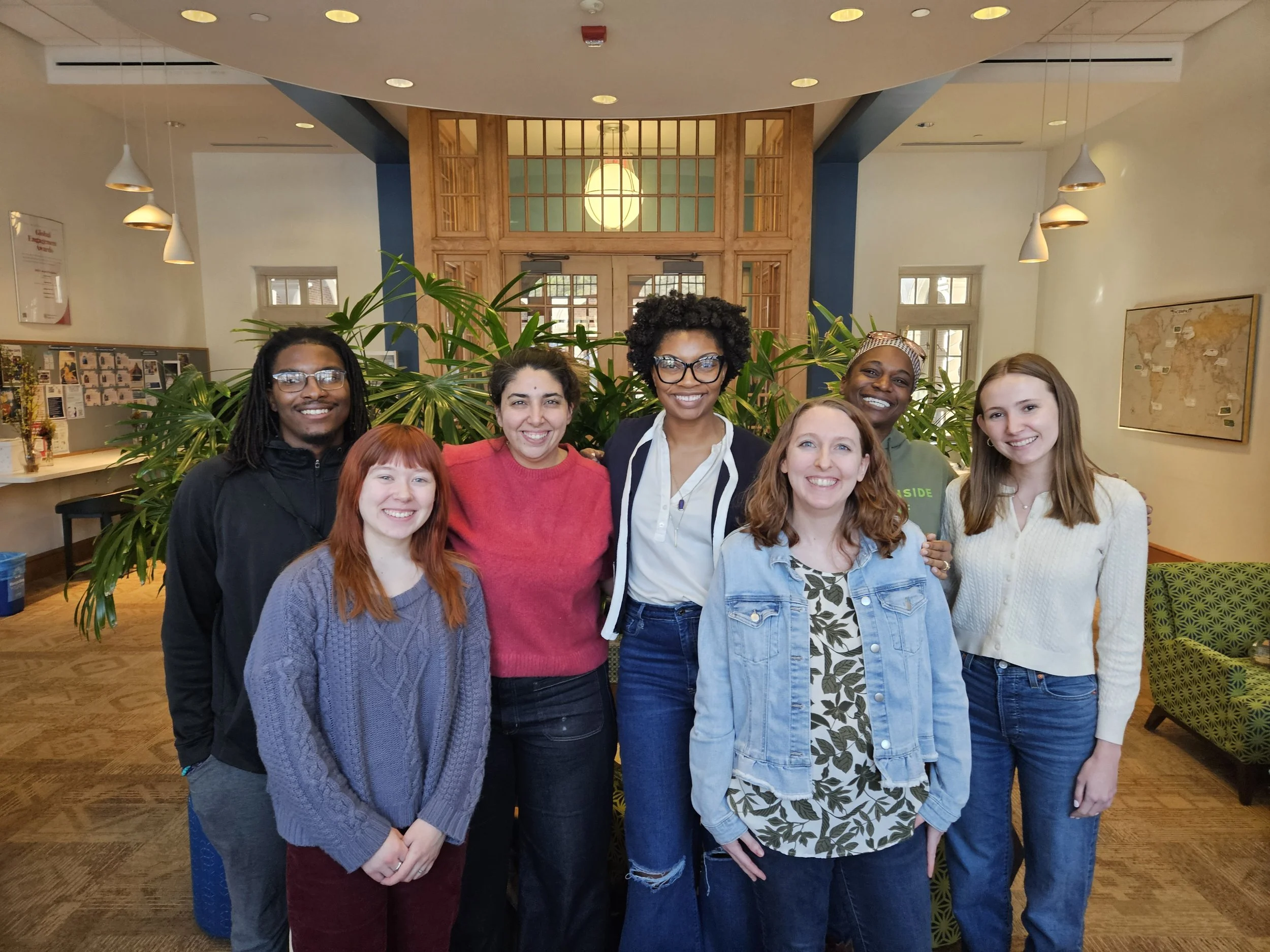
Students and Dr. Stephanie Spera welcomed staff from Southside ReLeaf to campus in early 2026 to celebrate progress from the first year of Go with the Flow and plan for year two.
Southside ReLeaf launched Go with the Flow to help residents and city stakeholders better understand how rainfall, flooding, and stormwater infrastructure impact neighborhoods differently. Through this community science initiative, residents documented flooding patterns by submitting photos and a brief online survey. This data enabled a deeper exploration of how climate change and historic underinvestment contribute to recurring flooding challenges in communities across the city, with a focus on flood-prone areas of the Southside. The project combined environmental education with hands-on community data collection, empowering residents to better advocate for resilient infrastructure and equitable environmental investment.
During Year 1, the project collected more than 300 flood survey submissions from residents across every Richmond City Council district, creating one of the most community-informed datasets on neighborhood-level flooding in the city. Southside ReLeaf partnered with University of Richmond researchers to begin developing a neighborhood-scale flood model that combines resident experiences with environmental and infrastructure data to better understand where flooding is happening, why it occurs, and which communities are most impacted. The long-term goal of the project is to help guide infrastructure investments, improve stormwater planning, and ensure future resilience funding is directed toward neighborhoods with the greatest need. Year two of data collection launched in Spring 2026.
Impact
Collected 300+ resident flood survey responses from all nine Richmond City Council districts during the first year of the campaign.
Increased awareness of how climate change, development patterns, and historic inequities contribute to flooding in South Richmond.
Partnered with University of Richmond researchers to develop a neighborhood-level flood resilience model informed by community experiences.
Created new pathways for connecting resident concerns with academic expertise and long-term research collaboration.
Published student-led storytelling and research communications that elevated community resilience issues to broader audiences.
Expanded environmental education and civic engagement opportunities through community science programming and public events.
Positioned community science as a tool for advancing more equitable infrastructure planning and climate resilience investments.
Elevated public awareness of how climate change is increasing rainfall intensity and exacerbating flooding in Richmond’s most flood-vulnerable neighborhoods through nine local news segments and articles.
Highlighted Southside ReLeaf’s university partnership model through public panel discussions and collaborative learning opportunities.
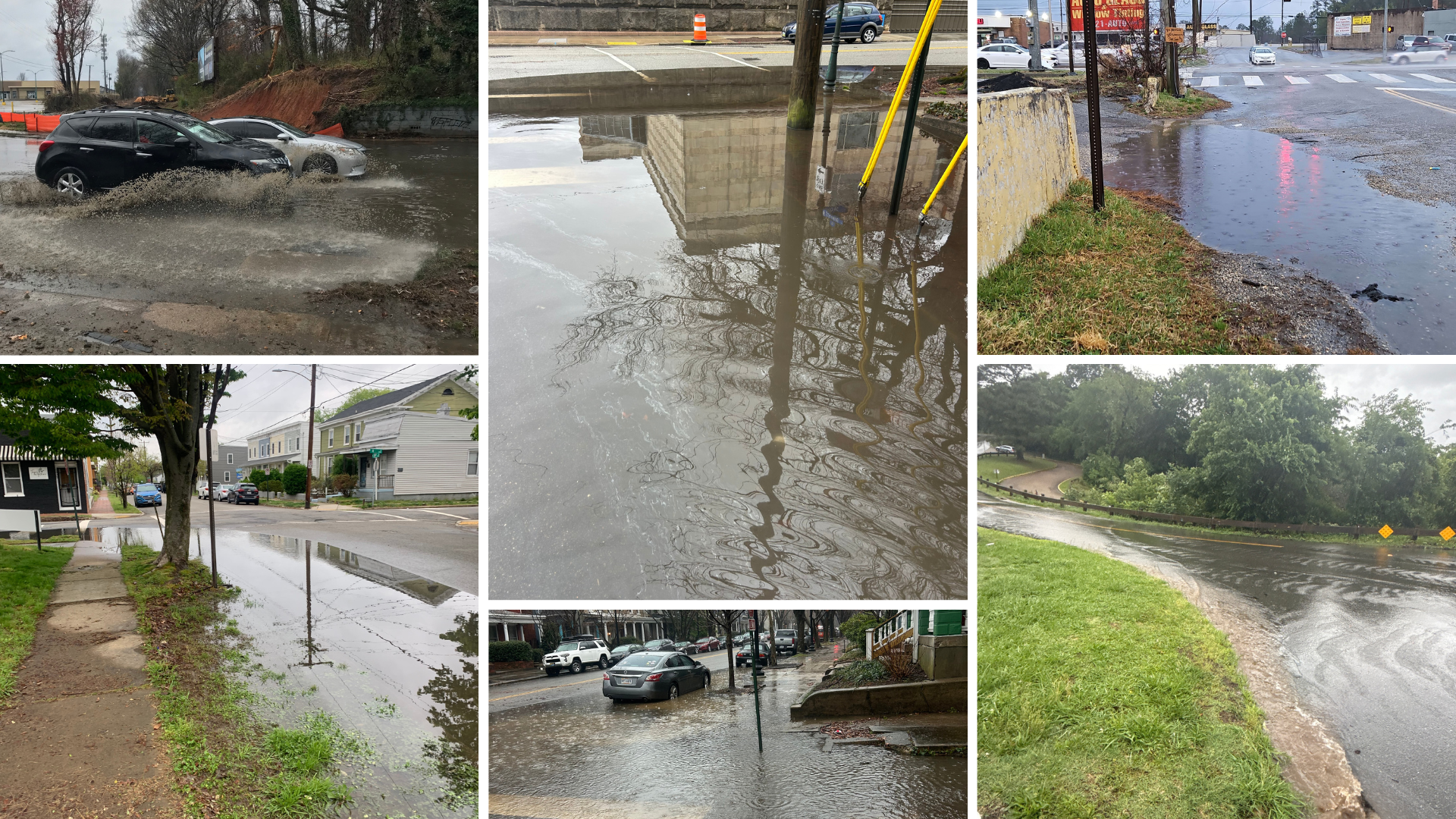
Photos that were submitted by community members with flood surveys during the first year of Go with the Flow.