Blog
Part I: The Geography of Belonging: Who is Our Neighbor?
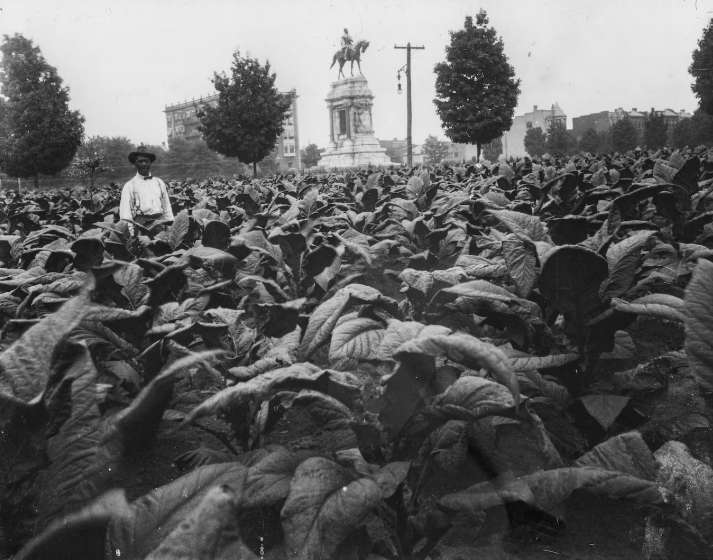
The places we call home are shaped by the policies and investments we choose to prioritize. As Richmond works to update its 50-year-old zoning ordinance through Code Refresh, Southside ReLeaf is asking a simple but important question: What kind of community are we trying to build?
To explore that question, we've invited partners working in housing affordability and community development to contribute to a three-part guest blog series on the relationship between housing and zoning in Richmond. In the first installment, Richmond Zoning Advisory Council member Casey Overton examines how zoning has shaped our neighborhoods, why conversations about density are ultimately conversations about belonging, and what it means to create a city with room for everyone.
How Community-Based Partnerships Can Foster Resilience through Urban Greening
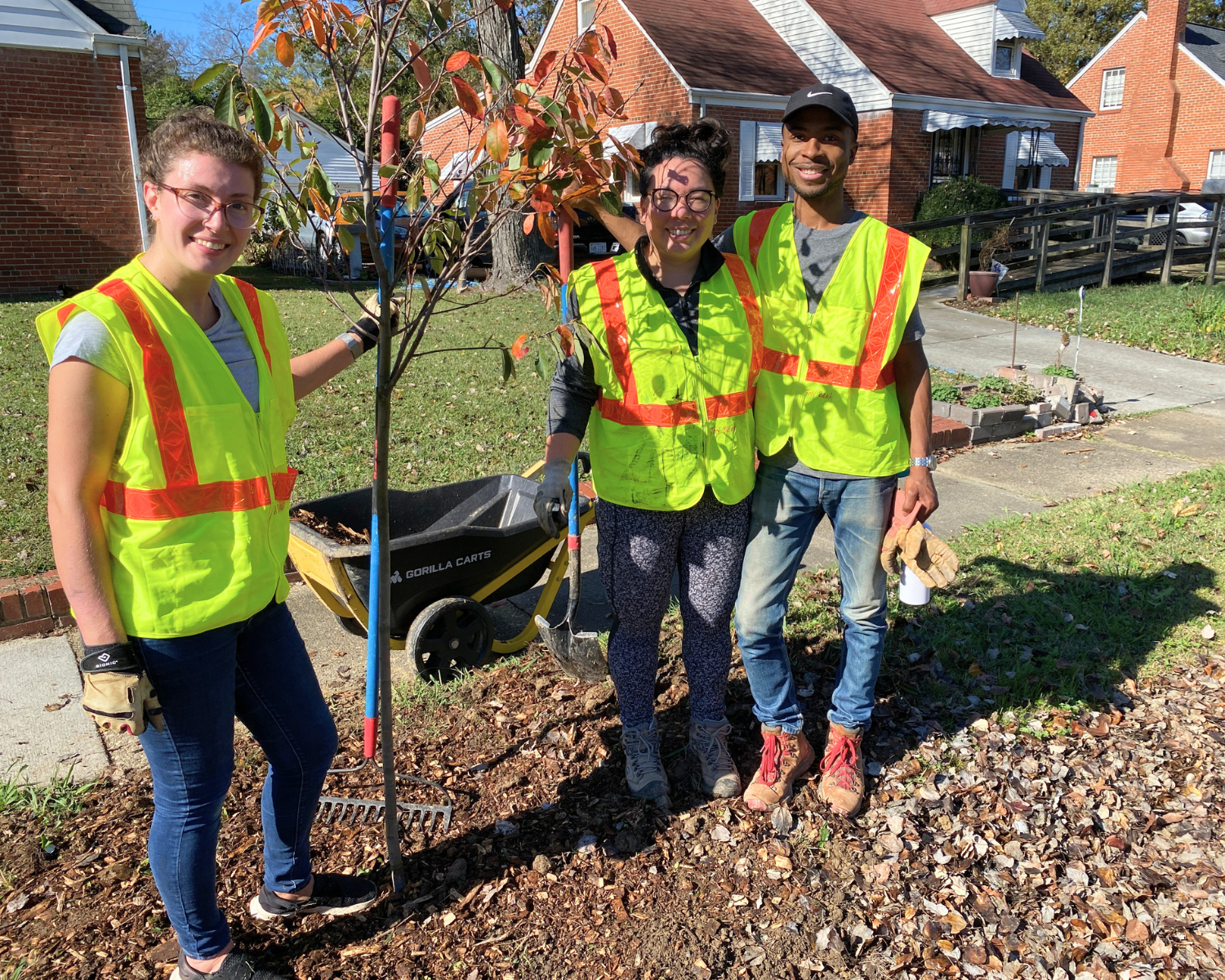
In this guest blog, Nicole Roemer, a recent VCU Master of Urban and Regional Planning graduate, shares findings from her capstone project with Southside ReLeaf. The blog explores how stronger partnerships between residents, nonprofits, and city agencies – along with targeted investments – can help Southside Richmond address flooding, extreme heat, and unequal access to green space.
Summer Recommendations from Southside ReLeaf
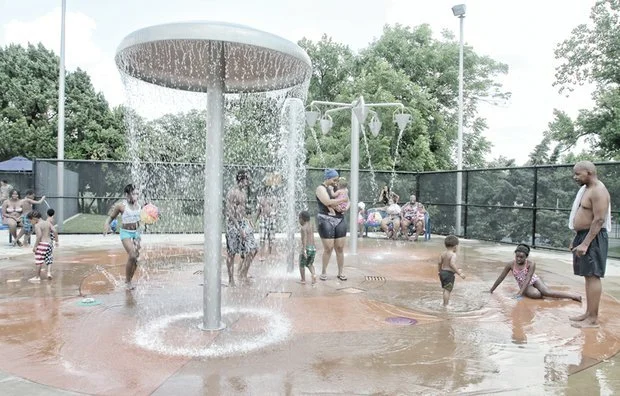
Every month in The Leaflet, we share a few recommendations from the Southside ReLeaf team — things we’re reading, exploring, enjoying, or returning to for comfort and inspiration. This season, we decided to gather some of our favorite summer recommendations all in one place.
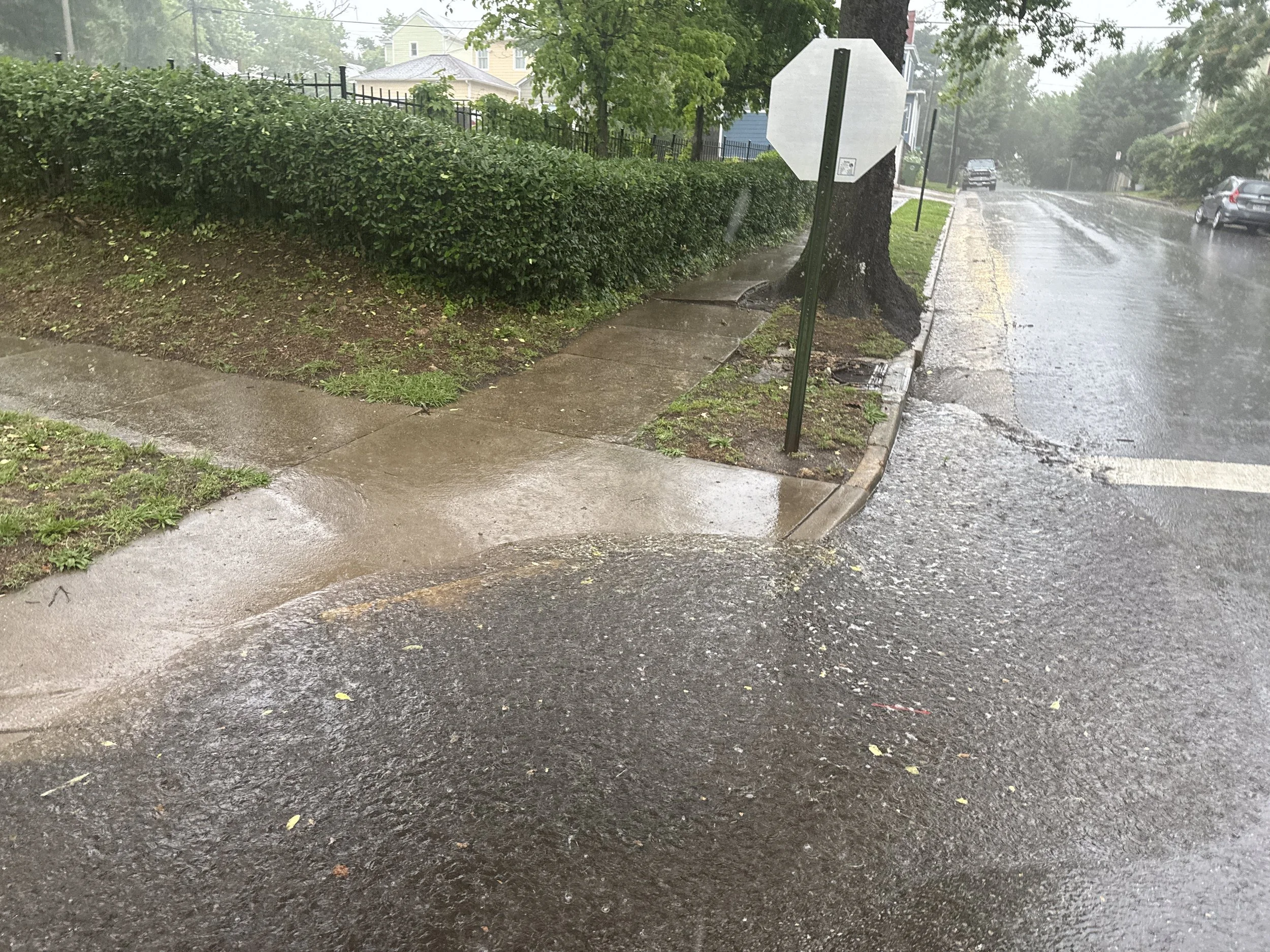
What 311 Data Reveals About Flooding in Richmond — and What It Misses
In our latest blog, University of Richmond student Julia Norton analyzes nearly a decade of flood-related calls to Richmond's 311 system, where residents submit non-emergency service requests. Her analysis uncovers patterns of reporting and city response, revealing differences across neighborhoods. The post also explores why some flooding goes unreported and highlights how our “Go with the Flow” project is helping fill in the gaps with community-driven data.
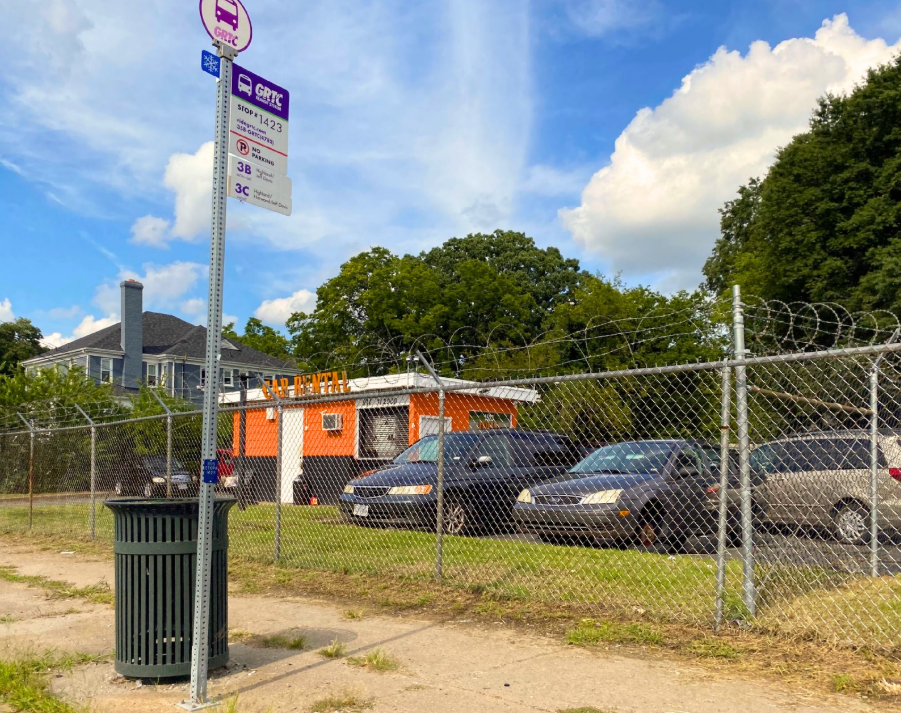
Heat-Risk Management: Cooling Strategies for Community Health
Syd Collier, Southside ReLeaf’s Greening Coordinator and a recent Master of Public Health graduate, breaks down what extreme heat means for Richmond — and why it’s not experienced equally across our communities. From recognizing the signs of heat-related illness to understanding how tree canopies, shade, and green infrastructure can save lives, this blog connects personal preparedness with the need for broader community-level action to address extreme heat.