
Tree Species Selection
Tree Species Available at the Giveaway
We are offering a selection of native tree species well-suited to Richmond’s climate at our Free Tree Giveaway on April 25, 2026. Each species has unique characteristics, including mature size, sunlight needs, and environmental benefits. When selecting your tree species, it’s helpful to have your planting location in mind and to consider the available space (both height and width), drainage, and potential obstructions at that site.
Explore the available species below for availability.
*Note: Availability of tree species is first-come, first-served.
Each household may reserve up to two trees. A limited number of trees may be available for walk-ups, but reserving in advance is strongly encouraged.
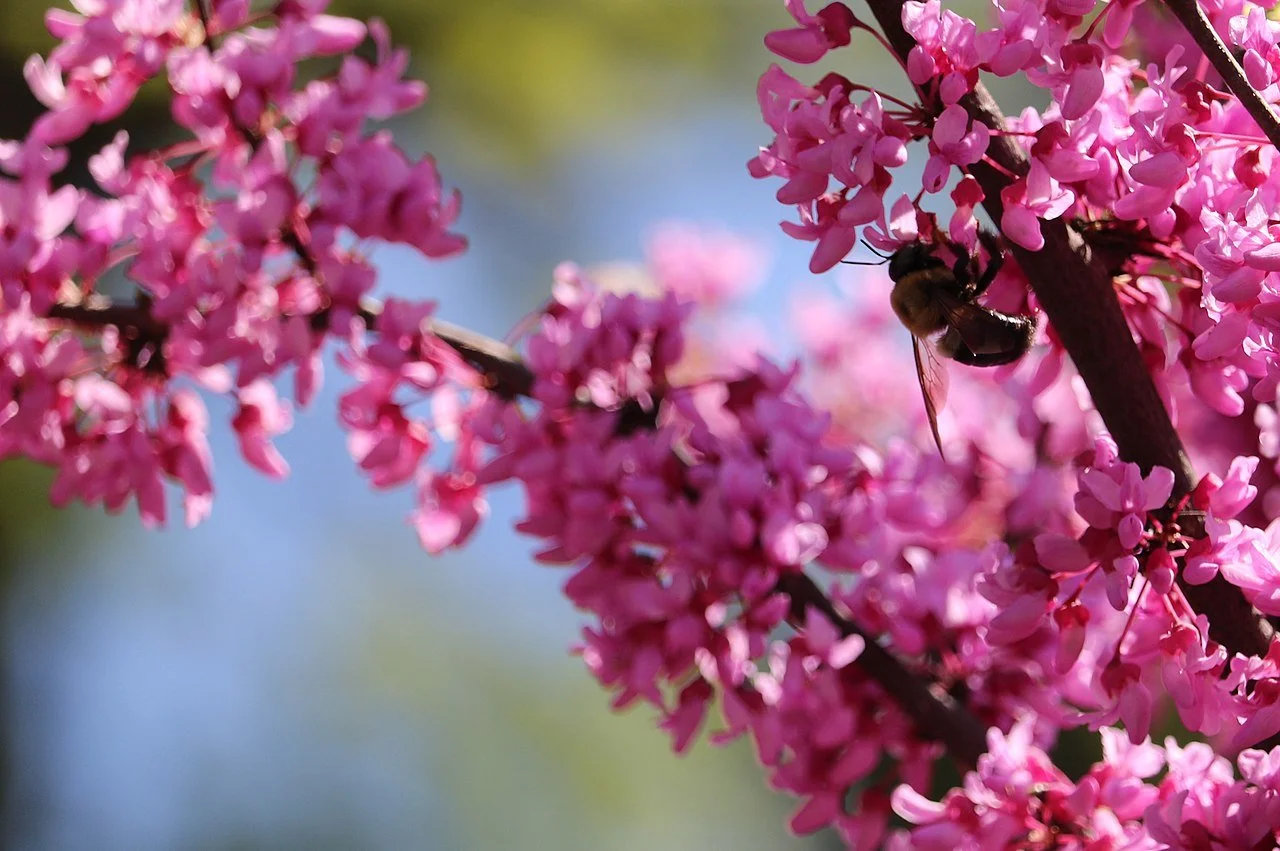
Eastern Redbud
Tolerates full to partial shade. Prefers well-drained soil. Grows to 15-30 feet.
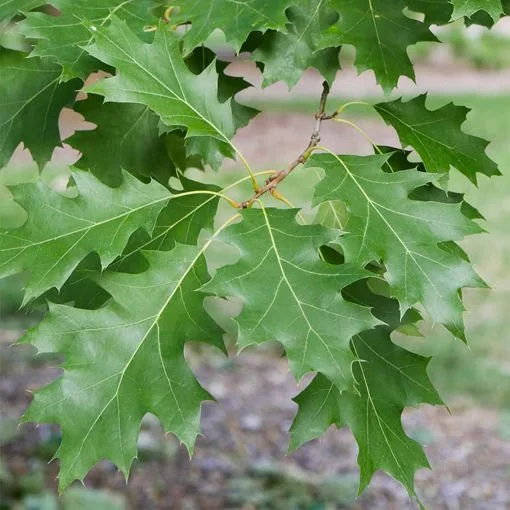
Shumard Oak
Tolerates full sun to partial shade. Prefers well-drained soil. Grows to 40-60 feet.
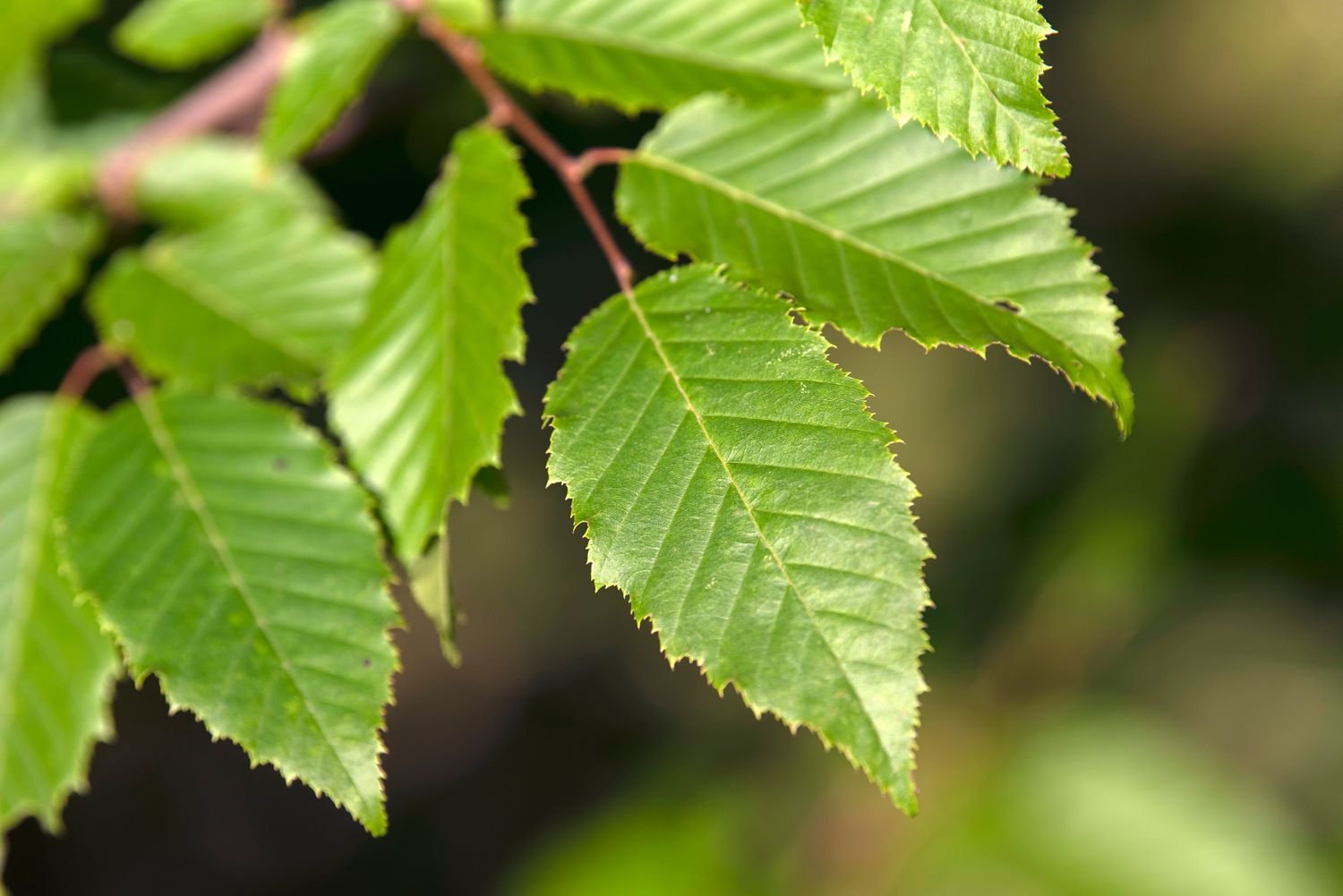
American Hornbeam
Tolerates full sun to nearly full shade. Prefers moist soil. Grows to 20-30 feet.
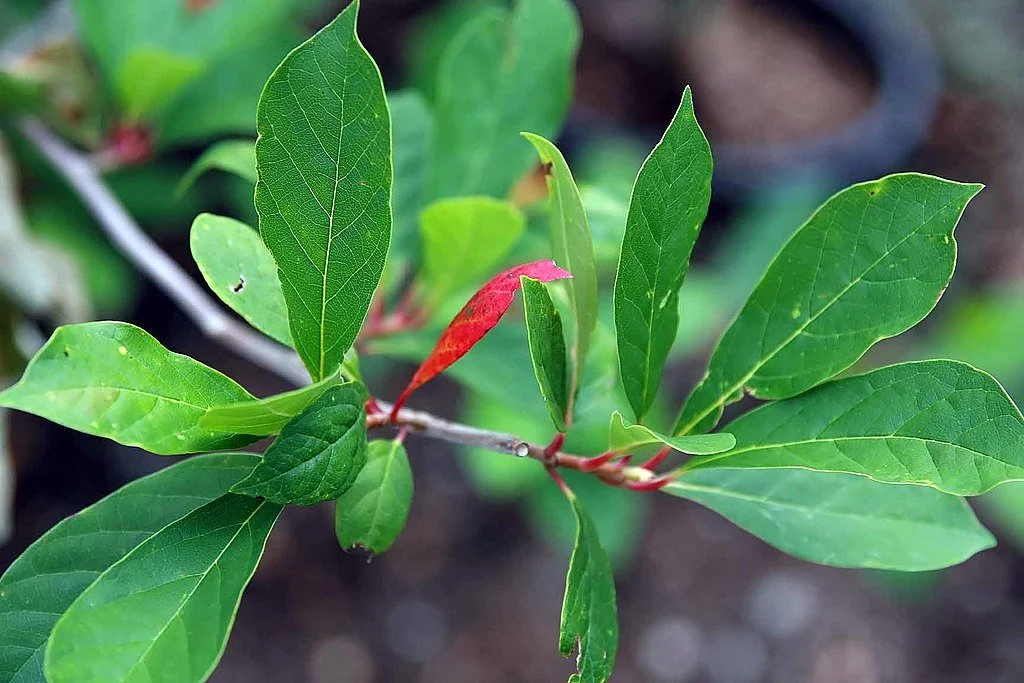
Blackgum
Tolerant of sun, shade, compacted soils, and poor drainage. Grows to 40-70 feet.
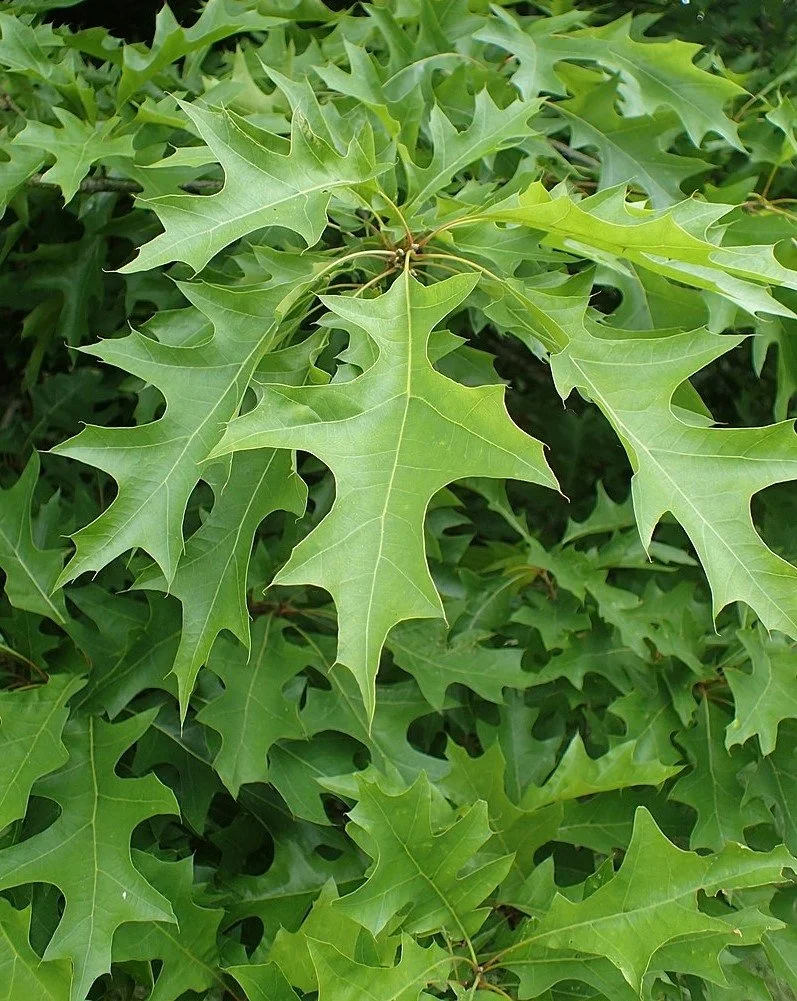
Nuttall Oak
Perfers full sun. Adaptable to drought and wet clay soils. Grows to 40-80 feet.
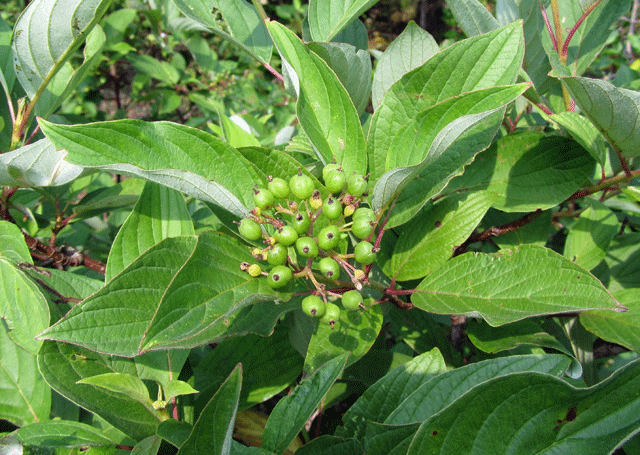
Red Osier Dogwood
Tolerates full sun to partial shade. Prefers moist to wet soil. Grows to 7-9 feet.
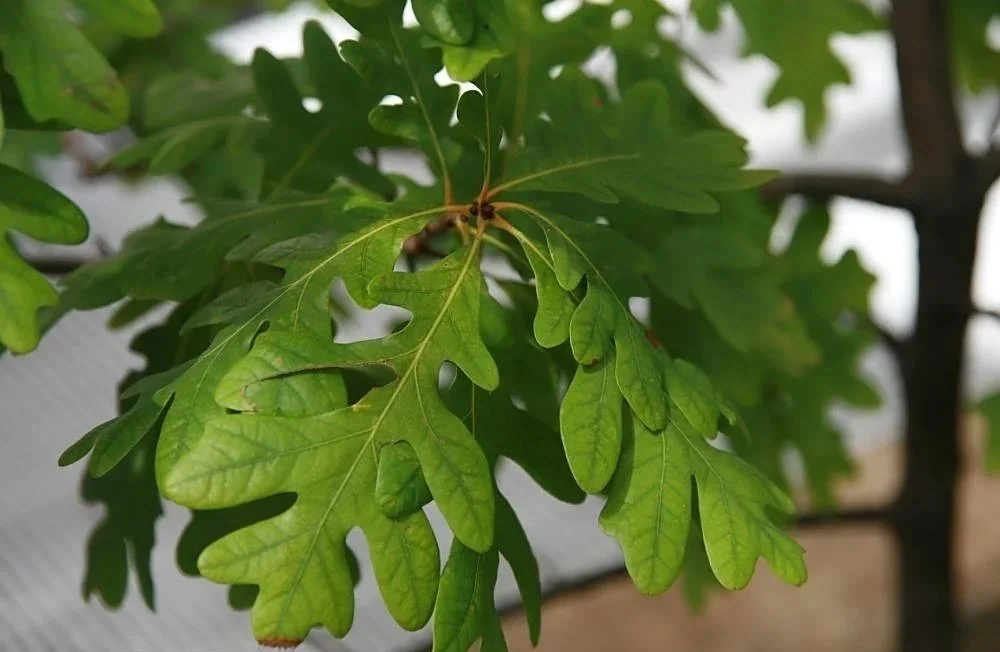
White Oak
Ideal for full sun, but can tolerate partial shade. Prefers moist, well-drained soil. Grows to 50-80 feet.
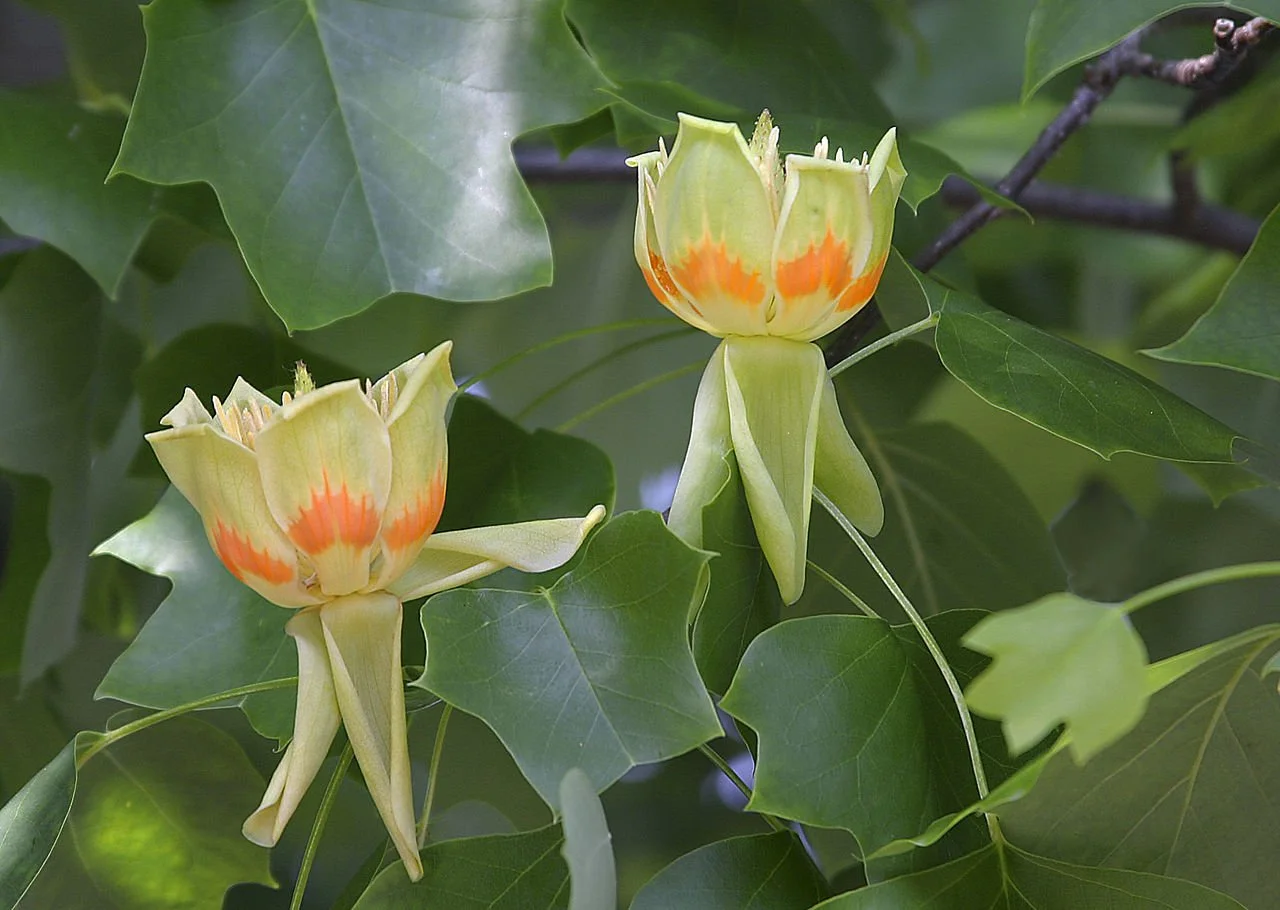
Tulip Poplar
Requires full sun. Prefers moist, well-drained soil. Grows to 60-90 feet.
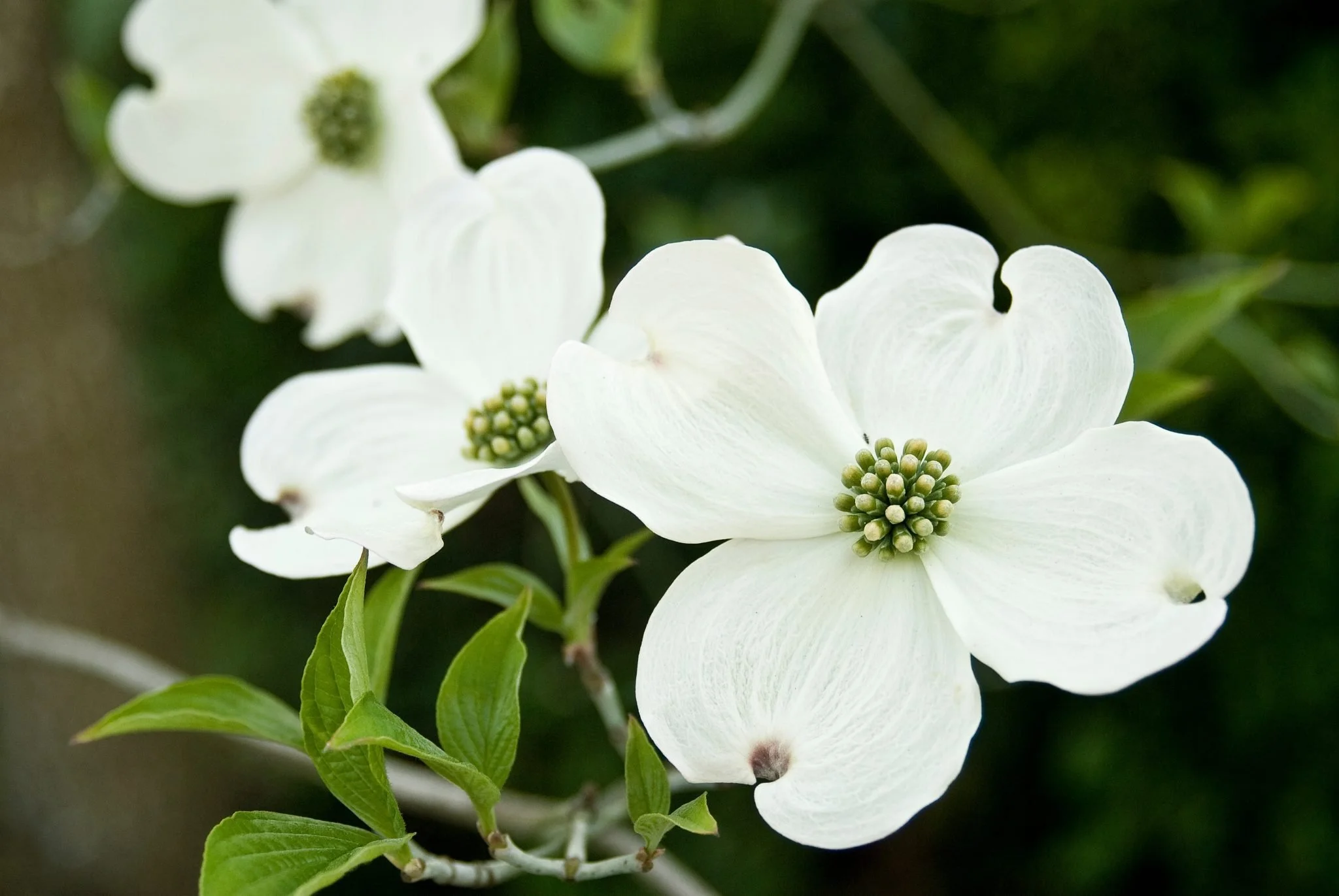
Flowering Dogwood
Prefers well-drained soil with morning sun and afternoon shade. Grows 15-40 feet.
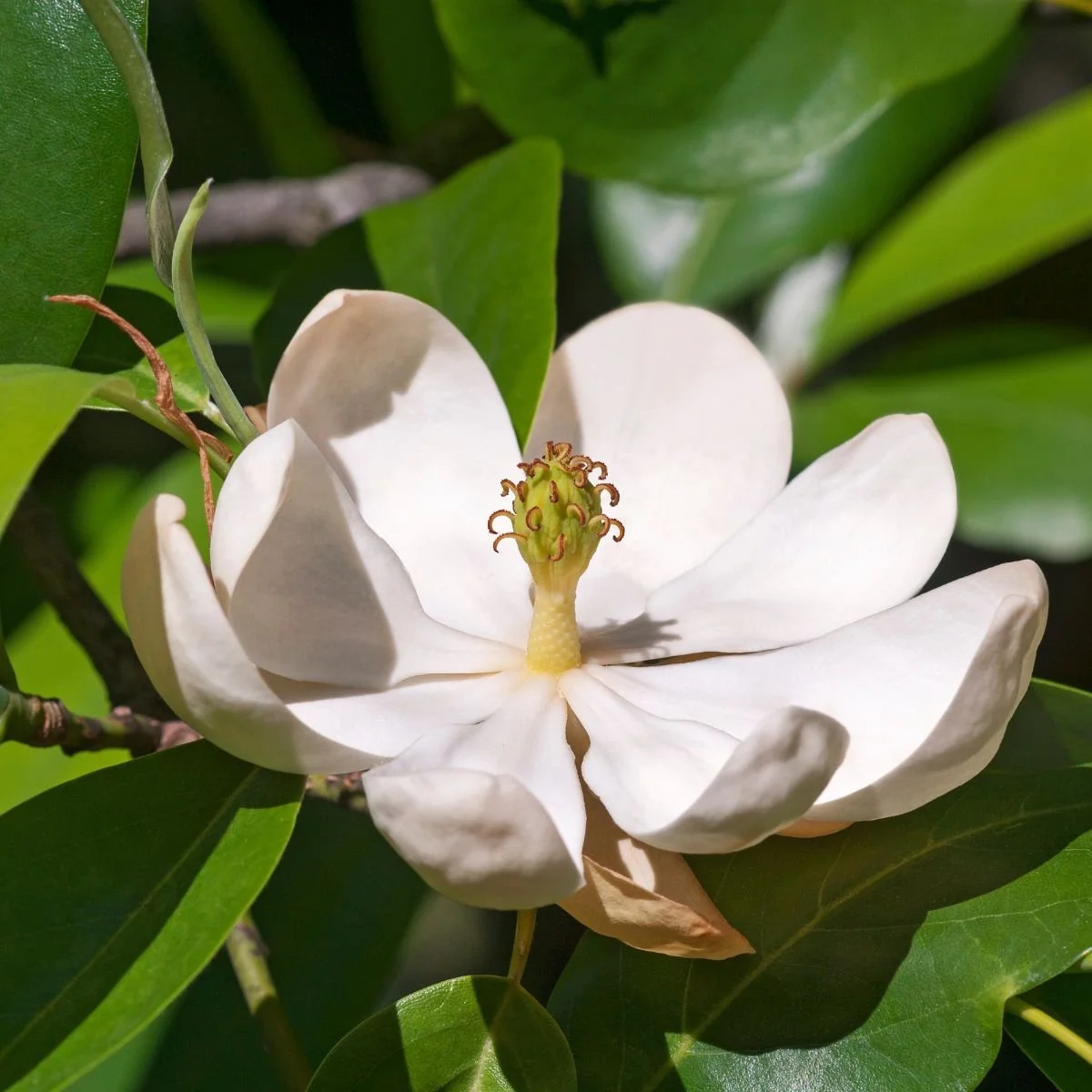
Sweetbay Magnolia
Thrives in wet soil and is adaptable to clay soil. Full sun to partial shade. Grows 50-100 feet.
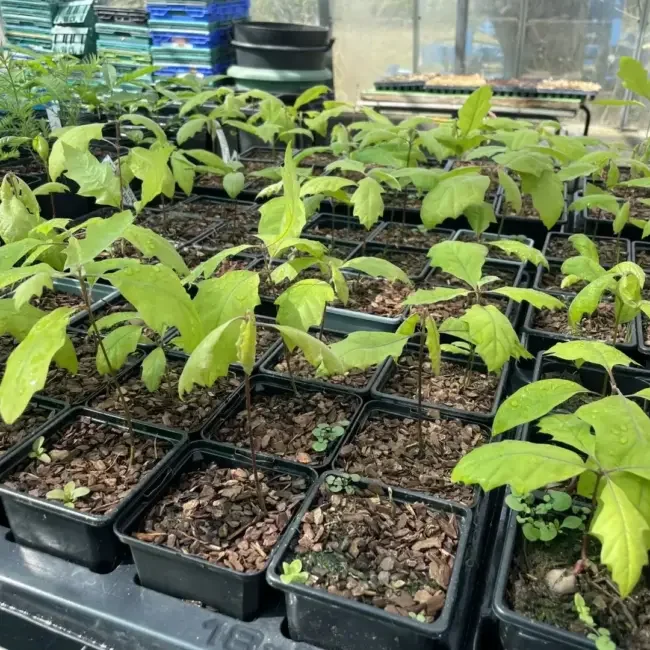
Seedlings
We have a variety of seedlings available for students, renters, and families without yard space.
Right Tree, Right Place
Proper tree placement is essential to avoid structural damage, reduce maintenance costs, and ensure long-term health.
Backyard
Best for large-stature trees that offer ample room to grow.
Large trees in the backyard can shade the home and help decrease energy costs, especially when planted away from the house.
Large trees should be planted at least 20 feet away from the home’s foundation.
Optimal trees: oaks, tulip poplar
Front Yard
Ideal for smaller, flowering trees to enhance curb appeal and aesthetics.
If utilities are present in the front yard, always choose small trees.
Keep trees 8–10 feet from walls and 5-10 feet from sidewalks to prevent foundation or hardscape damage.
Optimal trees: eastern redbud, dogwoods, sweetbay magnolia
Guidelines for Utilities and Infrastructure
Powerlines (Service Drop or Above): Always use small-stature species directly beneath powerlines, and be mindful of planting near service-drop powerlines.
Utilities Present (General): If utilities are in the front yard, plant large trees in the backyard.
Sidewalks and Driveways: Plant large-stature species at a sufficient distance to prevent long-term root conflicts.