WATER: Flooding & Health Equity in Southside
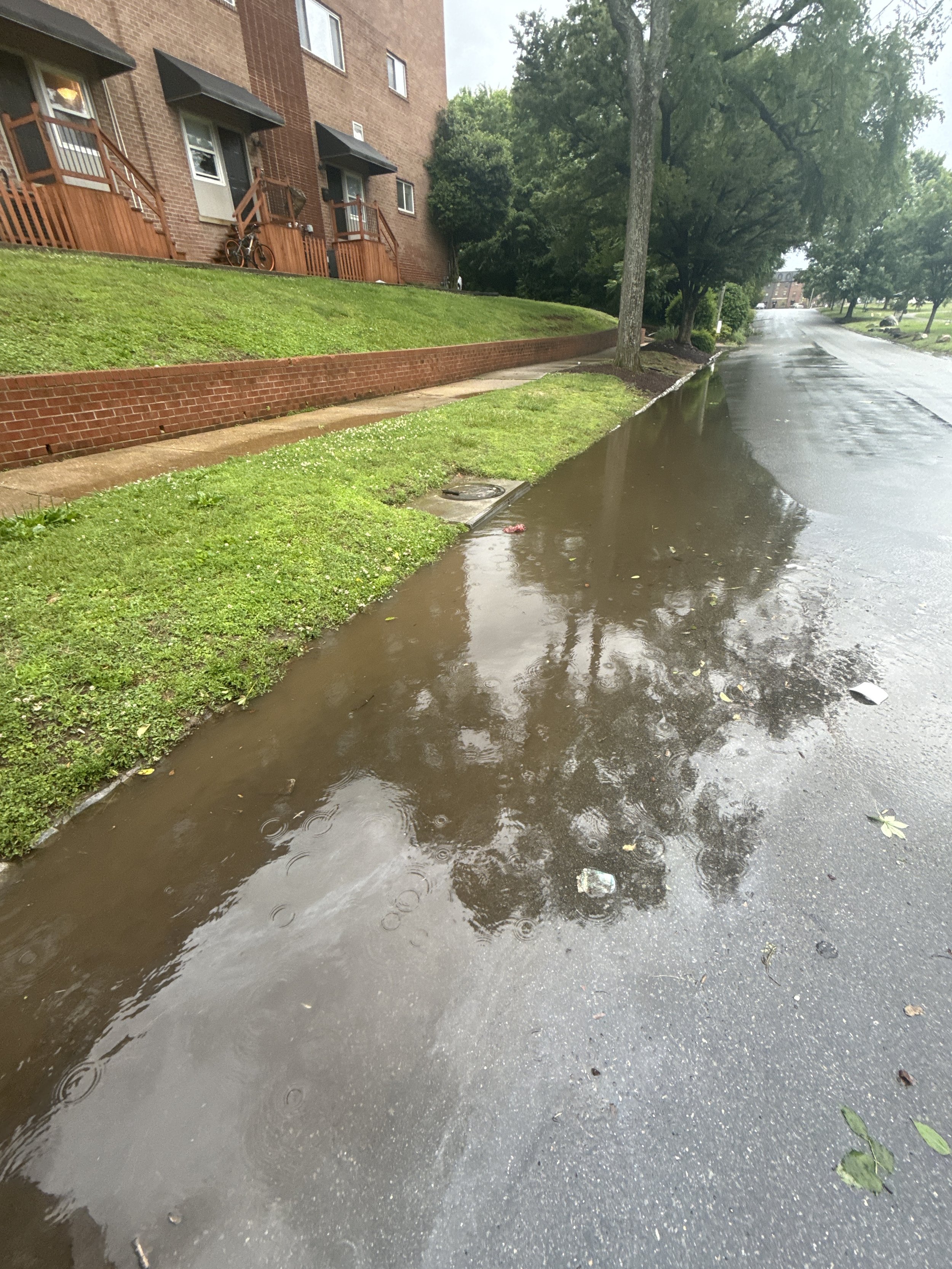
Flooding is more than a water and infrastructure issue. For residents living in areas affected by recurring flooding, it can disrupt daily life, access to health care, transportation, school and work, and a sense of safety.
Southside ReLeaf, the University of Richmond, and the Virginia Department of Health are working together to understand how chronic flooding affects health and well-being in Southside Richmond through WATER – Workplan Action Towards Environmental Resilience.
Help Shape the Research
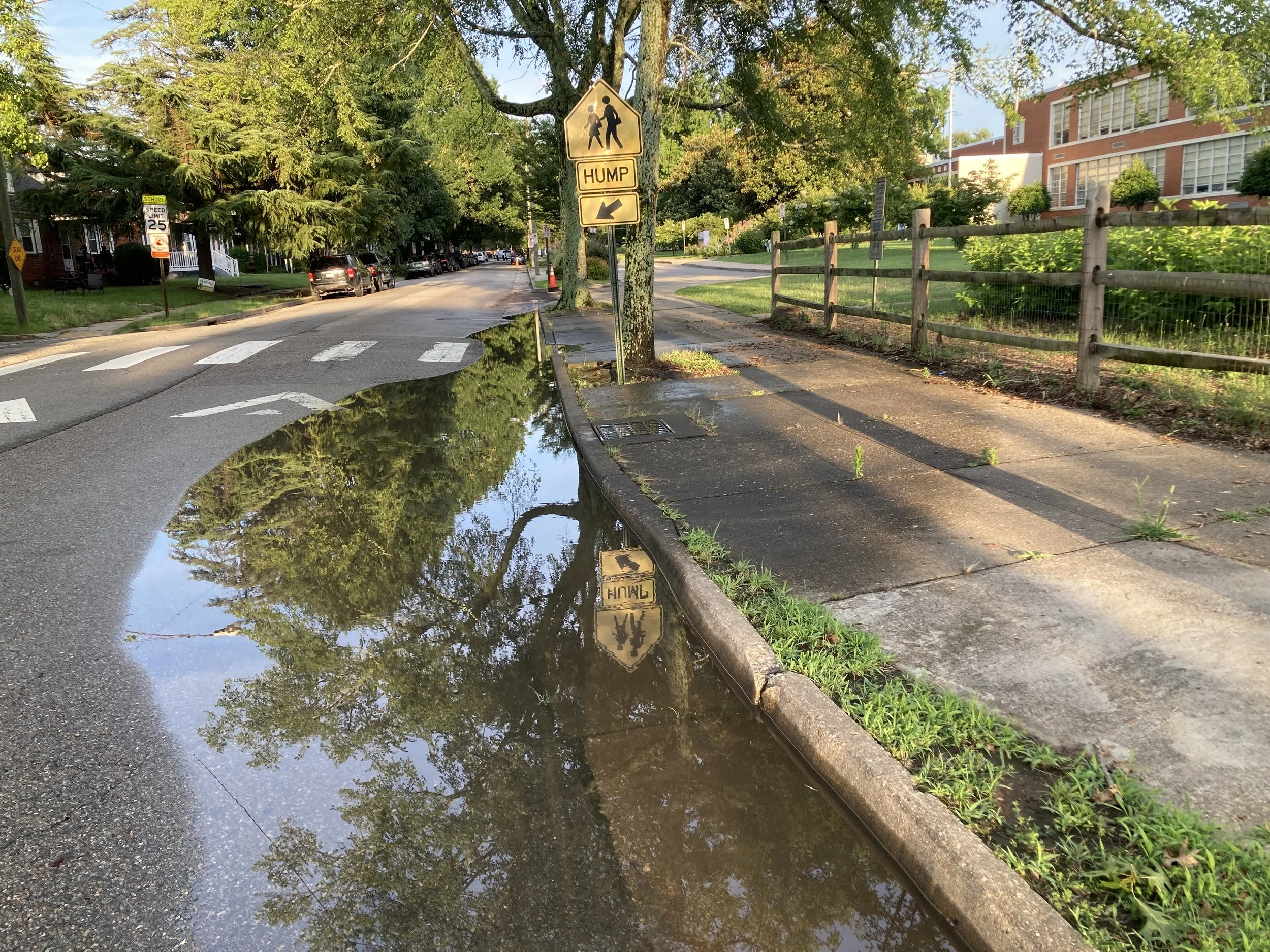
Your experiences will help us better understand how recurring flooding affects health and daily life in Southside Richmond. We’re exploring:
Health care
Emergency response, urgent care access, and disruptions to routine medical care.
Drinking water
Sources of drinking water and residents' experiences, including tap and bottled water use.
Exposure and health
Contact with standing water, mold, and other potential contaminants, including impacts on chronic health conditions and youth.

Daily life and well-being
Safety, transportation, school, employment, mental health, stress, and other impacts of recurring flooding.
Get Involved in WATER
Whether you live, work, go to school, or serve residents in a Southside community, your input will help identify community priorities that need to be addressed through policy and funding.
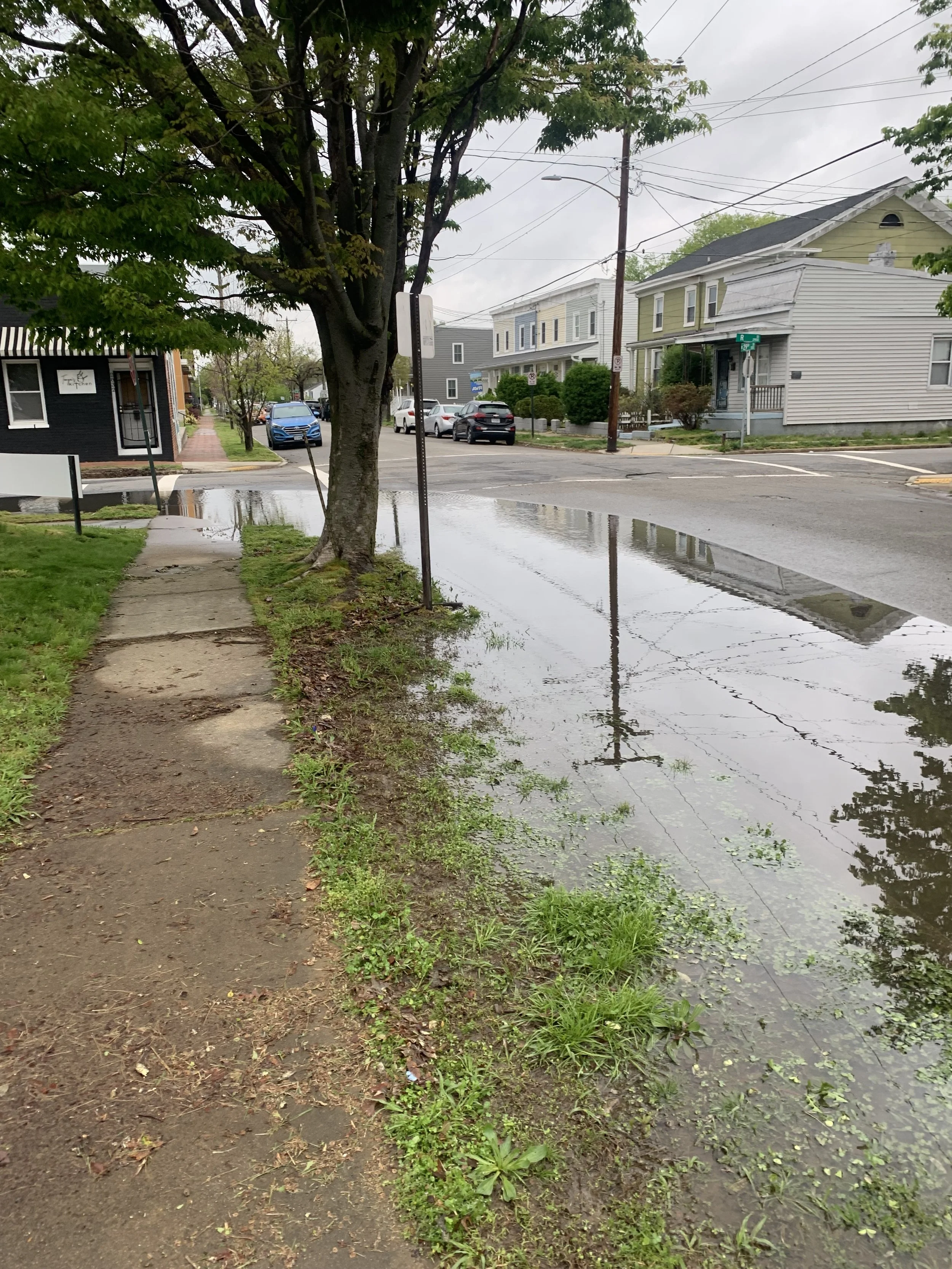
Share your flooding experiences
Help us map flooding in Richmond through Go with the Flow, our community science project.

Tell us about your drinking water
Take a short survey about where you get your drinking water (bottled and tap) and how you feel about its quality.
Check back after November 19 for a link to take the survey!
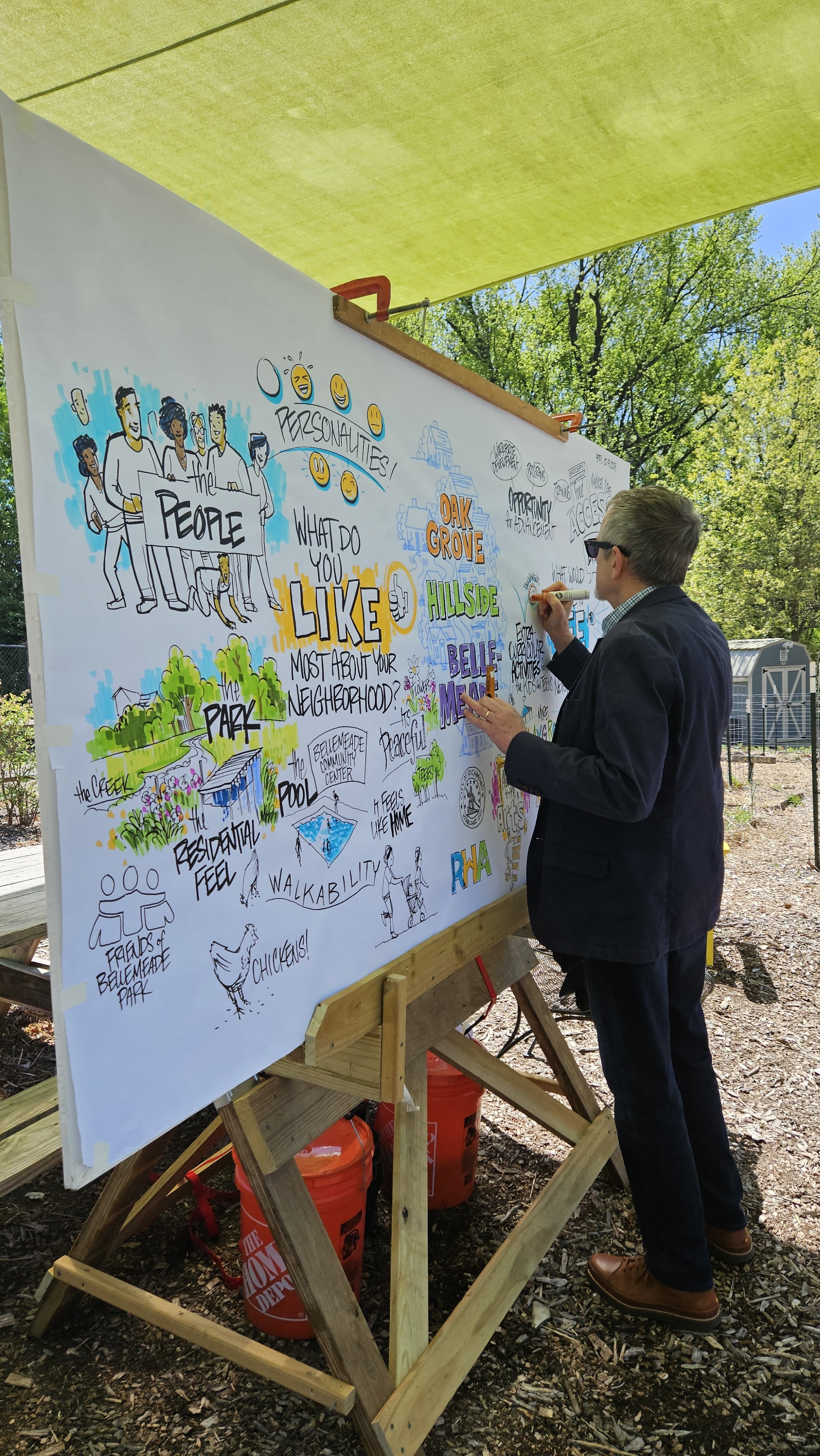
Join a community conversation
Share your experiences about recurring flooding, standing water, and drinking water quality at a listening session.
Funding
WATER is a two-year planning project funded by the Jeffress Trust Award. Through community conversations, listening sessions, surveys, and neighborhood outreach, the project will help us understand community concerns, examine available data, and identify priorities for future research. The project will produce a Flooding and Health Equity Research Roadmap that identifies research priorities, considers available data and privacy protections, and outlines potential next steps for future research.