
Making Energy More Affordable: Understanding Richmond's Energy Burden
By Maria Düster, guest author and Climate Justice Policy Manager at the Community Climate Collaborative (C3)
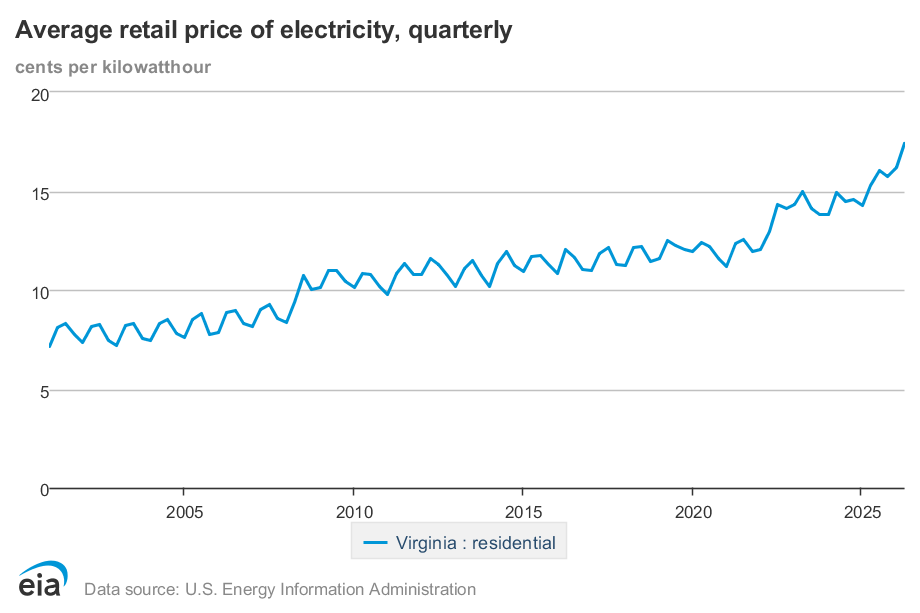
Cost of residential electricity in Virginia. Chart showing the increase in residential electricity costs in Virginia. In Q2 of 2026, the average cost per kilowatt-hour is $17.39 — a 34% increase from just five years ago.
If you feel like your energy bill has increased a lot over the past year, you’re right — it has. Residential energy rates have increased nearly 35% statewide since 2022, driven in part by a surge in data centers and volatile gas prices. For Richmond households already struggling to make ends meet, those increases can have serious consequences. Energy bills are part of the cost of keeping a home, so when energy becomes less affordable, housing becomes less affordable, too.
October is Energy Efficiency Month, marking the seasonal transition to colder weather, when many folks grow more concerned about energy costs. It’s also an opportunity to share information about energy use and actions folks can take to reduce costs and feel more comfortable at home. In this blog, we dig into who is hit hardest by rising costs in Richmond, what factors drive energy costs, and how energy efficiency can help.
What is energy burden — and who is experiencing it in Richmond?
Energy burden is the percentage of a household’s income spent on utility costs, such as electricity and natural gas. If you spend more than 6% of your income on energy bills, you have a high energy burden. Energy burden matters because it helps advocates and policymakers understand how much households pay for energy, identify disparities between groups, and direct support and resources. Energy bills are part of a household’s overall monthly housing costs, which means energy affordability is housing affordability. High energy bills worsen the broader cost-of-living crisis in our city and may force people to make trade-offs between utilities and other basic needs.
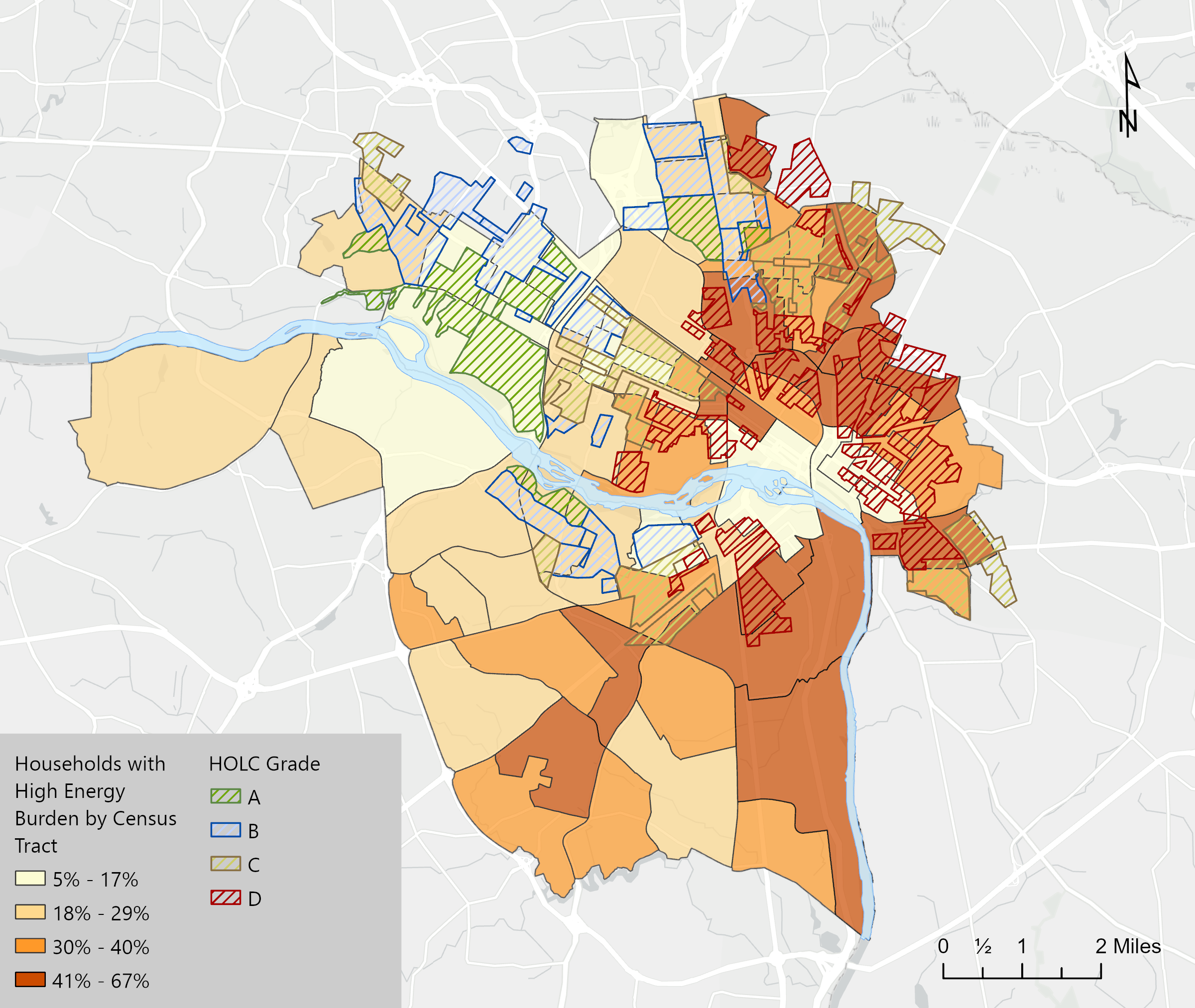
Energy Burden across Formerly Redlined Areas of Richmond, VA. Percentage of households with high energy burden by census tract, overlaid with HOLC redlining grades. Areas were graded from A (best) to D (worst) based on perceived lending risk for bank loans and mortgages. Source: LEAD data and the Mapping Inequality project. Map created by C3.
In 2025, C3 published a study on energy burden in Richmond. The study found that:
Nearly 1 in 3 Richmond households experience high energy burden.
Nearly 1 in 5 households spend more than 10% of their income on energy.
Low-income households, Black residents, and renters are disproportionately affected.
High energy burden is concentrated in several parts of Richmond, including the East End, Southside, and parts of Northside.
Importantly, high energy burden is not random. It reflects the historical policies that produce inequalities across groups and geographic areas. Many of Richmond's highest-burdened areas were historically redlined and experienced disinvestment throughout the late 19th and 20th centuries. Redlining and other forms of structural racism limited certain groups — in Richmond’s case, mainly poor and/or Black residents — from being able to build wealth, have access to high-quality housing, and receive equal resources as other neighborhoods. Today, these practices — along with housing affordability, the wage gap, and rising cost of living — continue to affect energy affordability and resilience over the long term.
Why do some households have higher energy costs?
High energy bills don't always mean a household is using too much energy. What you pay depends on both how much energy you use and the rates your utility charges. When utility companies raise electricity rates, households can see their bills increase even if their energy use hasn't changed. For example, a household that uses the same amount of electricity from one year to the next may still pay more because the cost per kilowatt-hour has increased.
Energy use also plays a role in costs. Several factors shape energy use, including building condition, building type (e.g., single-family home vs. apartment), square footage, and indoor temperature needs (whether due to outside temperature, a person’s thermal comfort level, or another reason). Homes with large square footage, for example, tend to have higher energy costs because they must heat or condition a bigger area, which requires more energy. However, if someone living in a 750-square-foot apartment has monthly energy bills similar to a 2,000-square-foot home, that raises a red flag and may be worth investigating whether inefficient systems, inadequate insulation, or other building issues are contributing to the cost.
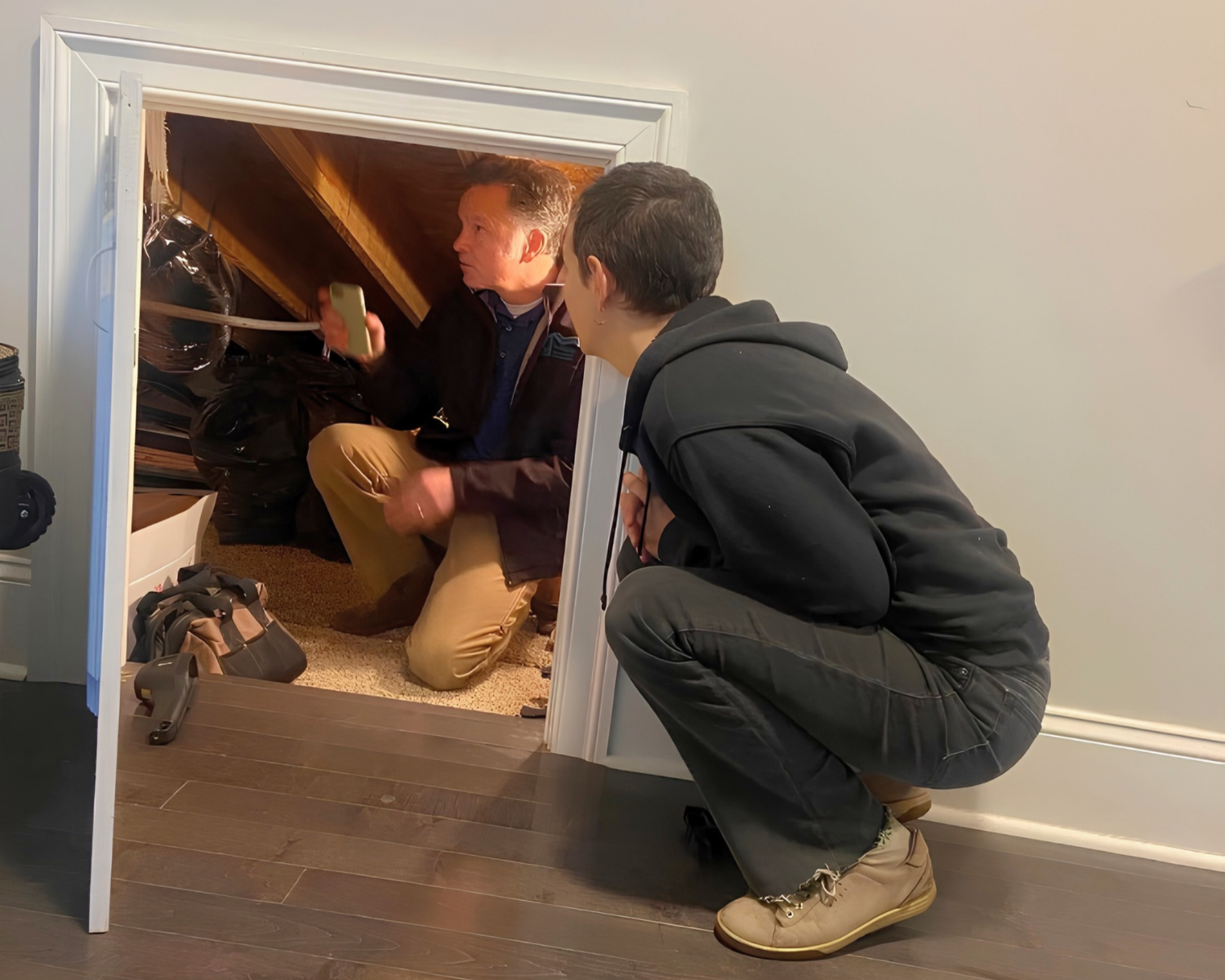
Energy audit at a residential property. Jacqui Bauer (C3, right) and Andrew Grigsby (Viridiant, left) inspect the ventilation and ductwork under the stairs during an energy audit at Jacqui’s home.
As buildings age, certain systems need maintenance and replacement. In our role as energy advocates, we’d look at the apartment from the example above and ask a lot of questions:
Is there insulation in the attic?
What type of heating or cooling system do they have?
Any leaky appliances?
What about lightbulbs? (Yes, even lightbulbs!)
All these factors affect how much energy a building uses and loses. Those who stand to benefit most from energy-efficiency upgrades are the least likely to afford them. When households cannot afford the necessary repairs or energy-efficiency upgrades, they end up paying more to keep their homes comfortable. And when utility rates rise, those costs can climb even further.
During extreme heat and freezing temperatures, the consequences can extend beyond household budgets, forcing residents to choose between paying their energy bills for healthy indoor temperatures and cutting costs.
Improving a home’s energy efficiency can help households use less energy, but it cannot fully protect against utility rate increases. That's why addressing energy affordability requires both investments in healthier, more efficient homes and policies that protect residents from rising electricity costs. Too often, the households that could benefit most from efficiency upgrades are the least able to afford them.
How can energy efficiency make homes more affordable and healthier?
Energy efficiency means using less energy to do the same thing, such as heating a home, lighting a room, or powering a fridge. Many products, appliances, and buildings use more energy than necessary, increasing pollution and energy bills. Energy efficiency upgrades can reduce energy burdens and save households hundreds of dollars annually on their energy bills. These “upgrades” generally include weatherization and home repair work, from weatherproofing windows to installing programmable thermostats to ensuring your fridge seals properly. Energy efficiency focuses on improving and preserving existing housing stock, which can reduce people’s housing costs and help them stay in their homes longer. In an increasingly unaffordable city like Richmond, it can help combat resident displacement.
Energy efficiency can also improve health outcomes. When a building has leaks or lacks proper ventilation, this can lead to dampness and mold. “These conditions,” the Midwest Energy Efficiency Alliance writes, “coupled with inconsistent indoor temperatures, can lead to building-related illnesses such as asthma, headaches and fatigue.” Studies show that poor insulation or inefficient heating sources can lead to cold indoor air and air pollution, which can cause respiratory and cardiovascular problems. Vulnerable groups such as children and the elderly are impacted most. Improved efficiency has also shown positive spillover effects such as reduced absenteeism from work and school.
Is household energy efficiency enough when electricity demand is growing?
While reducing household energy use is important, decisions at the state and utility levels have powerful implications for energy costs, climate resilience, and the infrastructure we invest in. Electricity demand across Virginia is rising rapidly, straining the grid, and jeopardizing our state’s 100% renewable energy commitment in the Virginia Clean Economy Act (VCEA). The majority of this load growth comes from the commercial sector, particularly data centers. Virginia has more data centers than any other U.S. state because of favorable policies, transmission infrastructure, and proximity to major internet hubs. This directly impacts ratepayers, who partially pay for the infrastructure buildout.
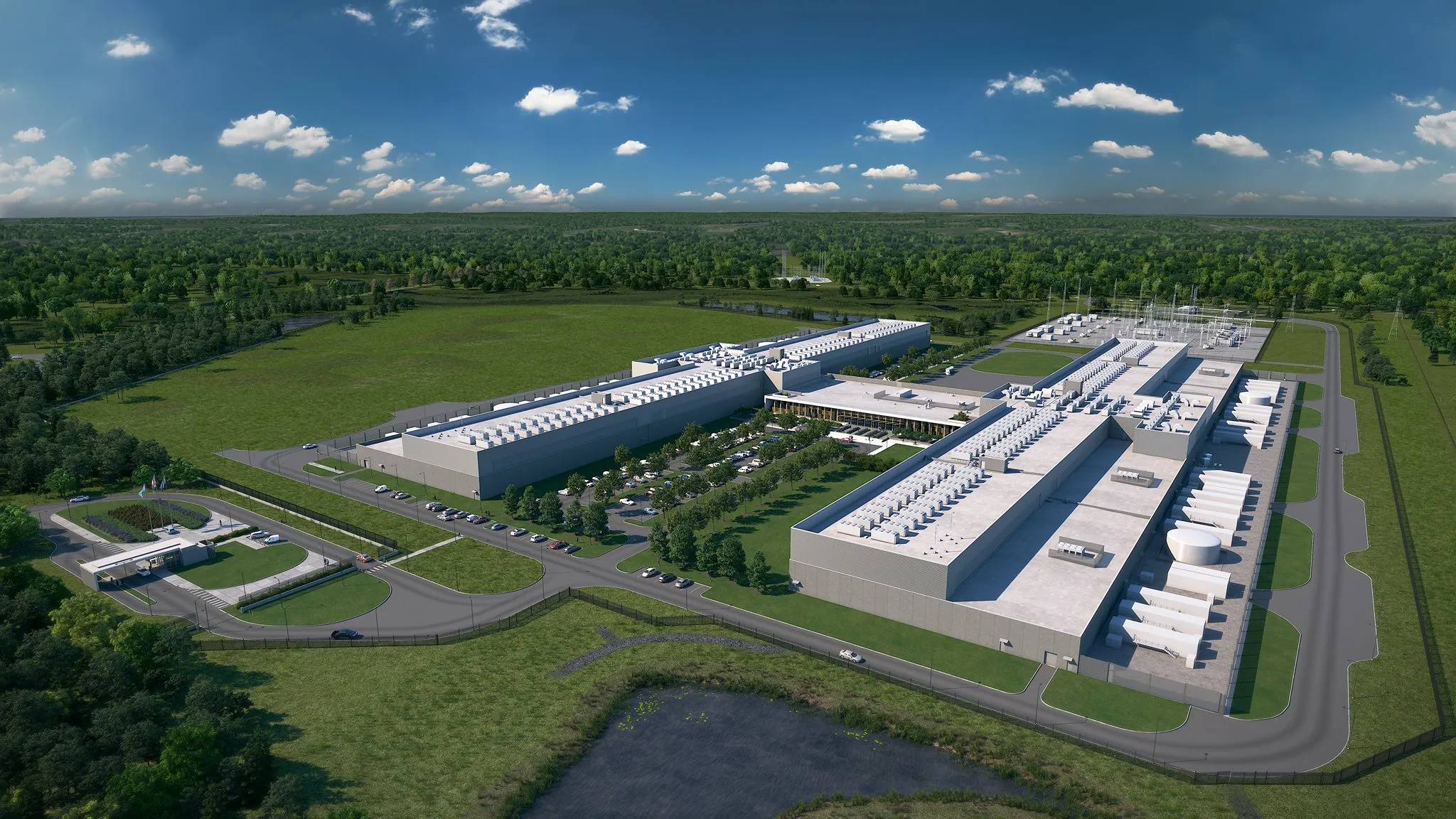
Meta’s new data center in Henrico County, VA. Source: Meta (via Facebook).
A 2024 JLARC study found that, to keep up with generation and transmission infrastructure costs, the average Dominion customer is estimated to see an increase of $14 to $37 per month by 2040 (independent of inflation). While Governor Spanberger recently announced a slew of policies to limit the impacts of data centers — including plans to make data centers cover the cost of transmission infrastructure — advocates will need to keep pressuring state legislators to codify these protections.
Projected demand increases are also being used to justify Dominion Energy’s plans to build 6 gigawatts of new fossil fuel infrastructure by 2036. These include proposed methane gas plants in Chesterfield, Fluvanna, and Cumberland counties, as well as multiple gas transmission pipeline projects across the state. In May 2026, Dominion Energy and Florida-based NextEra Energy announced they would combine into a single entity, creating the world's largest regulated electric utility. Since the announcement, advocates and state leaders have raised concerns about the deal's impact on people’s bills, the local economy and workforce, and further consolidation of corporate power. NextEra is expected to continue to build gas infrastructure to serve data center load. These additional gas resources will increase the utility's reliance on natural gas and lead to increasingly volatile customer bills, since fuel costs are passed through and regularly subject to global price spikes.
Shareholders and corporate leaders, not residents, stand to gain most from building data centers and fossil fuel infrastructure. Instead of investing in energy efficiency, electrification, and clean energy, these companies are locking in an energy future that will continue to pollute communities and warm the planet. Energy efficiency has a real impact on people’s health, housing quality, and monthly bills. However, if Virginia continues on this path, households will find it much harder to keep up with and offset rising costs.
What energy resources are available to Richmond residents today?
Richmond residents, businesses, and nonprofits can access a variety of local resources to help them repair or weatherize their homes, receive financial assistance, or learn ways to reduce energy use.
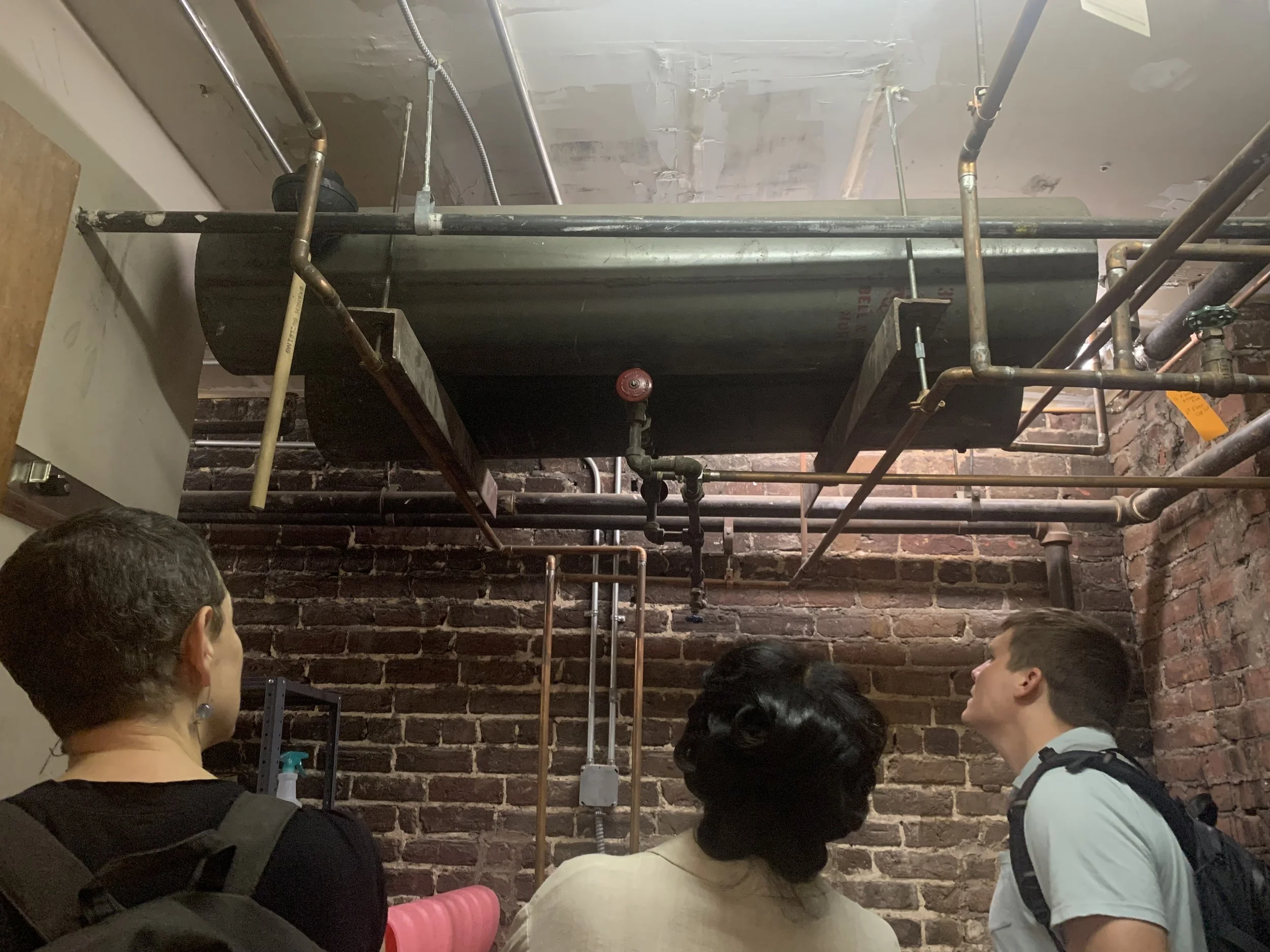
Energy audit at Well Collective in Richmond, VA. Jacqui Bauer (left) and Coles Jennings (far right) from C3’s Business Partnerships Team complete an energy audit at the Well Collective in Richmond, VA.
For Richmond residents:
Healthy Homes — This program provides health/safety repairs, accessibility modifications, and energy efficiency improvements for eligible homeowners.
MetroCare — The City offers financial assistance with water and natural gas bills for eligible homeowners and renters once per fiscal year.
C3 Resources — For a comprehensive list of resources available to Richmond residents, check out C3’s energy resources page.
For small businesses and nonprofits:
C3’s Business Partnerships Team — We offer low- or no-cost technical expertise for local businesses and nonprofits. Our team of certified “energy detectives” conducts energy audits, recommends next steps, and helps facilitate projects for your organization.
What energy resources are available to Richmond residents today?
In May 2026, the City of Richmond voted to establish an energy-efficiency program to help households save on their energy bills and make homes safer and more efficient. The program — the first of its kind in Virginia — recognizes the power of energy efficiency to address the intertwined crises we’re facing: energy, housing, climate, and health.
The City’s new energy efficiency program is expected to launch in summer 2027, with a variety of offerings for residents. As the Office of Sustainability plans the program, we want to hear from you. What would you like to see in the new program? What issues are you facing in your home or apartment? Send your feedback to policy@theclimatecollaborative.org and keep an eye out for engagement opportunities.
To clean our air, reduce emissions, and secure more affordable energy for residents, we have to think big. Yes, that means continuing to invest in energy efficiency and weatherization that make our homes healthier and more resilient. It also means breaking down structural barriers to clean energy and shutting down polluting gas plants. It means protecting everyday people from rate hikes that push their energy bills even higher. It means fighting back against corporations more interested in lining their pocketbooks than meeting residents' needs.
Too often, households are forced to choose between keeping the lights on and meeting other basic needs. As environmental and energy justice advocates, we are working toward a future where no household has to make this impossible choice, and everyone has access to safe, clean, and affordable energy.